CN
CN العربية
 English
 français
 русский
 español
 português
 ไทย
ไทย Indonesia
 Tiếng việt
 فارسی
فارسی

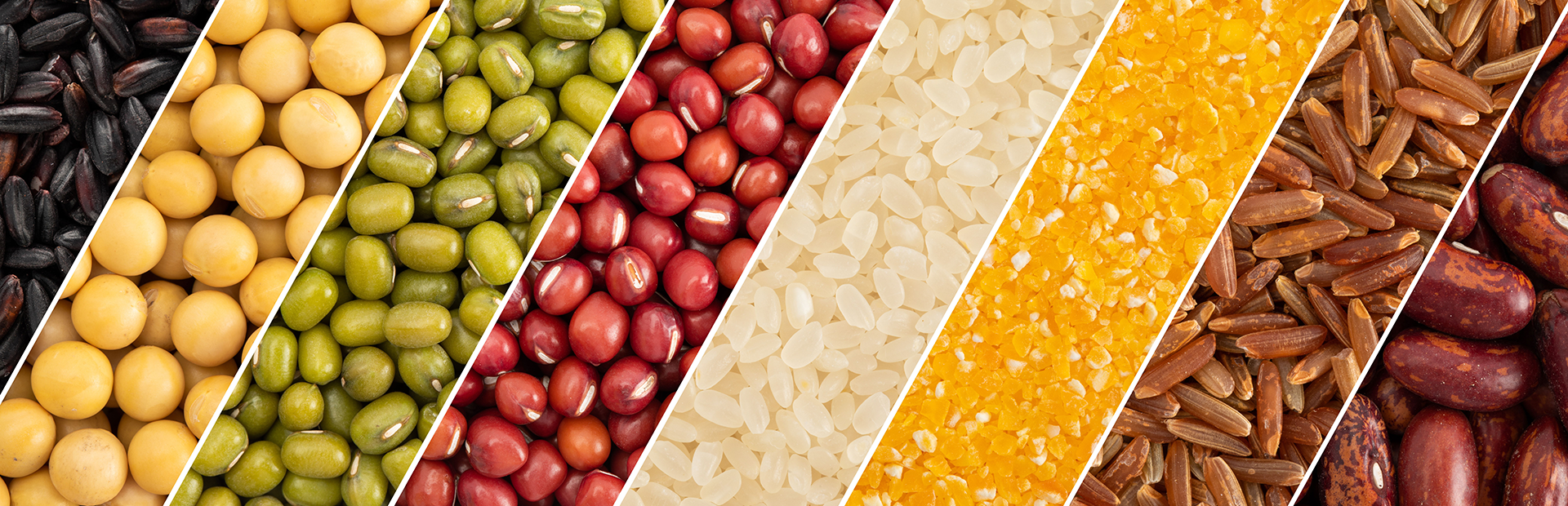
إن الأمن الغذائي يتجاوز مجرد توفير الغذاء الكافي. وتُعرّف منظمة الأغذية والزراعة التابعة للأمم المتحدة (الفاو) الأمن الغذائي من خلال أربعة محاور رئيسية: التوافر، والوصول، والاستخدام، واستقرار— مع اعتبار السلامة جزءًا أساسيًا من الاستخدام.
بينما تركز العناوين الرئيسية غالباً على غلة المحاصيل ومخزونات الحبوب،سلامة وجودة الغذاءلا تقل أهمية عن ذلك. فالملوثات والسموم الفطرية والحبوب المعيبة التي تدخل سلسلة التوريد لا تقلل فقط من القيمة التجارية للحبوب، بل تشكل أيضاً مخاطر صحية حقيقية على المستهلكين.
هذا هو المكانتقنية الفرز البصرييصبح خط دفاع لا غنى عنه.
تواجه الحبوب العديد من المخاطر منذ الحصاد وحتى التخزين والمعالجة:
مواد غريبة: زجاج، شظايا معدنية، أحجار، مواد بلاستيكية، حبيبات بلاستيكية
العفن السام: حبوب مصابة بفطر الرشاشية الصفراء التي قد تحمل الأفلاتوكسينات
حبوب متغيرة اللون أو تالفةيؤثر على الطعم والملمس وجودة المنتج النهائي
حبوب متضررة من الحشرات: بيئات تكاثر محتملة للبكتيريا والآفات
إزالة هذه العيوب يدويًا أمر مستحيل على نطاق تجاري. تستطيع المناخل الميكانيكية الفصل حسب الحجم، لكنها لا تستطيع التمييز حسب اللون أو نوع المادة. لهذا السبب تعتمد خطوط المعالجة الحديثة علىأجهزة الفرز البصرية.
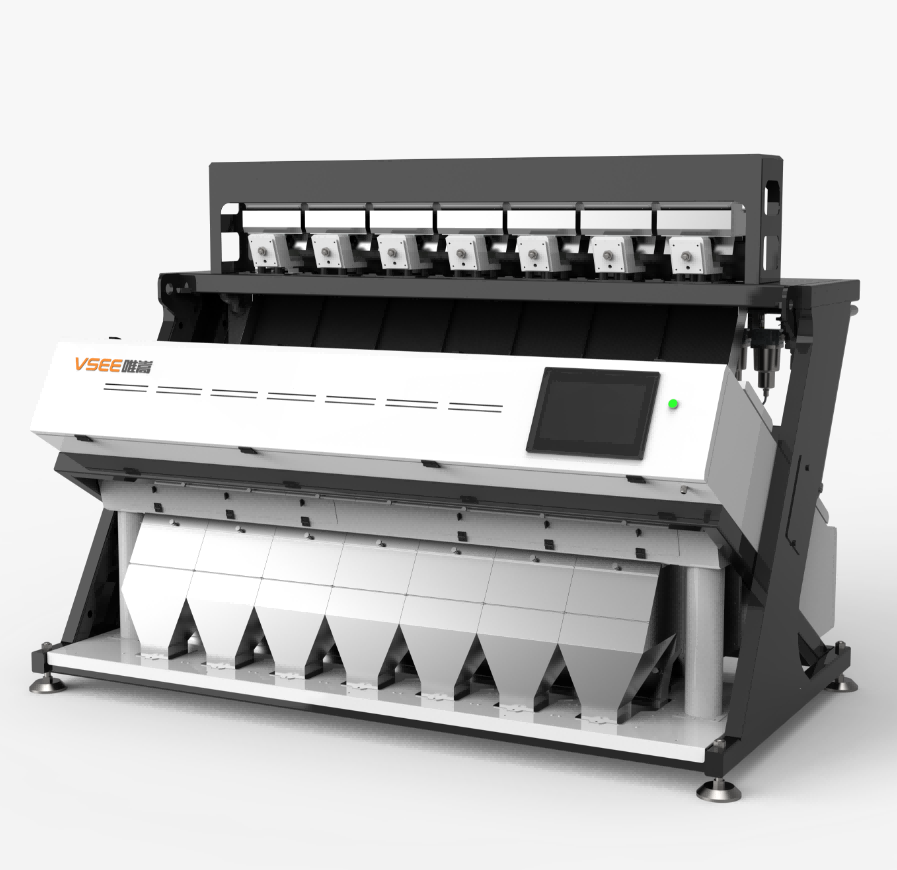
يستخدم جهاز الفرز البصري، والذي يُطلق عليه غالبًا اسم جهاز فرز الألوان، كاميرات عالية السرعة ومعالجة الصور لفحص كل جسيم يمر عبر الجهاز.
العملية بسيطة من حيث المفهوم ولكنها متطورة للغاية في التنفيذ:
تغذية– تتدفق المواد بشكل متساوٍ عبر وحدة تغذية اهتزازية.
إضاءة– تضيء مصابيح LED القوية كل حبة من الحبوب.
كشف– تلتقط كاميرات CCD أو CMOS عالية الدقة اللون والشكل والملمس.
تحليل– يقوم الذكاء الاصطناعي والخوارزميات المتقدمة بمقارنة كل عنصر بمعايير محددة مسبقًا.
الانفصال– تقوم نفاثات الهواء الدقيقة بإخراج الجزيئات المعيبة أو الغريبة إلى حاوية الرفض، بينما يستمر المنتج الجيد في التدفق.
تستطيع أجهزة الفرز الحديثة معالجة عشرات الآلاف من الحبوب في الثانية بدقة تتجاوز 99.99%.
يُعدّ الأرز الغذاء الأساسي لأكثر من نصف سكان العالم. من الأرز غير المقشور إلى الأرز المصقول، تتم عملية فحص الجودة النهائية فيفرز ألوان الأرز.
يمكن لفرز ألوان الأرز عالي الأداء إزالة ما يلي بفعالية:
حبوب متغيرة اللون– أرز أصفر أو أحمر أو طباشيري أو بني جزئياً يؤثر على المظهر وجودة الطهي
مواد غريبة– الزجاج، والبلاستيك، وعبوات جل السيليكا المجففة، وحتى الأحجار الصغيرة
حبوب غير ناضجة أو مكسورة– اعتمادًا على نموذج الفرز والإعدادات
بالنسبة لأصحاب المطاحن، تتمثل النتيجة في أرز عالي الجودة ومتسق يفي بمعايير التصدير وتوقعات المستهلكين. أما بالنسبة للمستهلكين، فهذا يعني أرزًا أكثر أمانًا وأفضل مذاقًا على موائدهم.
دقة عالية– دقة فرز تتجاوز 99.99% مع الحد الأدنى من رفض الحبوب الجيدة (نسبة منخفضة من الحبوب المتبقية)
فرز مزدوج الجوانب– كاميرات من الأعلى والأسفل لإجراء فحص كامل للأرز المسطح أو طويل الحبة
ميزات الذكاء الاصطناعي الذكية– خوارزميات التعلم الذاتي التي تتكيف مع أنواع الأرز المختلفة دون الحاجة إلى ضبط يدوي
على عكس الأرز،فارزات لون الحبوبيجب أن تتعامل مع مجموعة واسعة من المحاصيل: الفاصوليا الخضراء، والفاصوليا الحمراء، والحمص، والعدس، والكينوا، والدخن، والشوفان، والفول السوداني، وبذور عباد الشمس، وغيرها. لكل منها شكل وحجم وملمس سطح فريد.
يوفر جهاز فرز الحبوب متعدد الاستخدامات ما يلي:
التصوير متعدد الأطياف– كاميرات RGB قياسية لكشف عيوب الألوان، بالإضافة إلى الأشعة تحت الحمراء القريبة (NIR) لتحديد تركيب المواد
تصنيف الشكل المورفولوجي– الكشف عن الحبوب الذابلة أو المكسورة أو المشوهة وإزالتها
إعدادات التغيير السريع– واجهة سهلة الاستخدام مع وصفات محفوظة مسبقًا لعشرات أنواع الحبوب
حبوب المونج الطازجة خضراء زاهية. أما الحبوب التي تم تخزينها بشكل غير صحيح فتتحول إلى لون زيتوني باهت أو تظهر عليها بقع بنية، تشبه في مظهرها الحبوب السليمة للعين غير الخبيرة. يستطيع جهاز فرز الألوان عالي الدقة تمييز هذه الدرجات اللونية الدقيقة واستبعاد الحبوب المعيبة بسرعة عالية، مما يضمن وصول المنتج عالي الجودة فقط إلى المشترين.
على مدى العقد الماضي، تجاوز الفرز البصري بكثير مجرد التعرف الأساسي على الألوان.
| جيل | القدرة |
|---|---|
| جانب واحد | عرض من الأعلى فقط، محدود للحبوب المسطحة أو الطويلة |
| الجانب المزدوج | كاميرات علوية وسفلية لتغطية كاملة |
| مدعوم بالذكاء الاصطناعي | التعلم العميق للنسيج والشكل ونوع العيوب وحتى التركيب الكيميائي (NIR) |
يمكن لأجهزة الفرز الأكثر تطوراً اليوم أيضاً القيام بما يلي:
فرز الأشكال– تحديد وإزالة الحبوب النابتة أو ذات الأطراف السوداء أو التالفة بسبب الحشرات
الكشف عن العيوب الداخلية– تقنية الأشعة تحت الحمراء القريبة (NIR) ترى ما بداخل النواة للكشف عن العفن الخفي أو تشوهات الرطوبة
التكيف الذاتي في الوقت الفعلي– لا حاجة للمعايرة اليدوية المتكررة
إذا كنت تعمل في مجال معالجة الحبوب، أو طحن الأرز، أو تصدير البقوليات، فإن اختيار معدات الفرز المناسبة يُعد قرارًا استراتيجيًا. إليك خمسة عوامل رئيسية يجب مراعاتها:
1. احتياجات الإنتاجية
قم بمطابقة عدد القنوات مع حجم المعالجة اليومي لديك. المزيد من القنوات يعني سعة أكبر.
2. متطلبات دقة الفرز
تتطلب الأسواق المتميزة (مثل متاجر التجزئة ذات العلامات التجارية، والتصدير إلى اليابان أو الاتحاد الأوروبي) دقة تزيد عن 99.99%. أما تطبيقات الإنتاج بالجملة أو أعلاف الحيوانات فقد تتحمل مواصفات أقل قليلاً.
3. تنوع المواد
إذا كنت تعالج الأرز فقط، فإن جهاز فرز الأرز المخصص هو الخيار الأمثل. أما إذا كنت تتعامل مع حبوب متعددة (فول الصويا، والحمص، والدخن، وما إلى ذلك)، فابحث عن...فرز ألوان الحبوب متعدد الأغراضمع إمكانية التبديل السريع بين الوصفات.
4. الصيانة والمواد الاستهلاكية
تختلف أعمار مصادر إضاءة LED وفوهات الهواء والصمامات اللولبية. استفسر عن العمر الافتراضي المتوقع وتكاليف الاستبدال.
5. ميزات ذكية وخدمة عن بعد
هل يمكن مراقبة الآلة أو ضبطها عن بُعد؟ هل تحتوي على ذكاء اصطناعي ذاتي التعلم؟ هذه الميزات تقلل من عبء العمل على المشغل وتحسن استقرار الفرز بمرور الوقت.
الأمن الغذائي مسؤولية مشتركة، تشمل المزارعين والتجار والمصنّعين وتجار التجزئة. ورغم أن أجهزة الفرز البصرية لا تنتج الحبوب، إلا أنها تؤدي دورًا لا غنى عنه في:
الحد من الخسائر بعد الحصادوذلك بإزالة الحبوب المعيبة قبل أن تلوث الحبوب السليمة
حماية صحة المستهلكعن طريق القضاء على الملوثات الفيزيائية والحبوب المعرضة للأفلاتوكسين
زيادة القيمةمن كل حصاد، مما يُمكّن المزارعين وأصحاب المطاحن من الحصول على أسعار أعلى
في عالمٍ تتزايد فيه سلاسل إمداد الحبوب العالمية طولاً وتعقيداً، تُعدّ الثقة أساس كل شيء. ويُسهم جهاز فرز الألوان الموثوق في بناء هذه الثقة، حبةً حبة.
نقدم مجموعة كاملة منفرز ألوان الأرزوفارزات لون الحبوبتتراوح قدرات كل آلة من المطاحن الصغيرة إلى المصانع الصناعية الكبيرة. وتحظى كل آلة بدعم فني عالمي وتوفير قطع غيار أصلية.
? [تصفح نماذج فرز الألوان لدينا] أو [اتصل بنا] للحصول على توصية مخصصة بناءً على نوع الحبوب واحتياجات الإنتاجية الخاصة بك.
فرز موثوق. غذاء أكثر أماناً. مستقبل غذائي أقوى.
Subscribe & Get More Information
يرجى القراءة ، والبقاء على اطلاع ، والاشتراك ، ونرحب بك لإخبارنا برأيك.

اتصل بنا : +8613655554449


حقوق النشر
© 2026 Anhui Vsee Optoelectronic Technology Co., Ltd. كل الحقوق محفوظة.
خريطة الموقع
| المدونة
| Xml
| سياسة الخصوصية
 الشبكة المدعومة